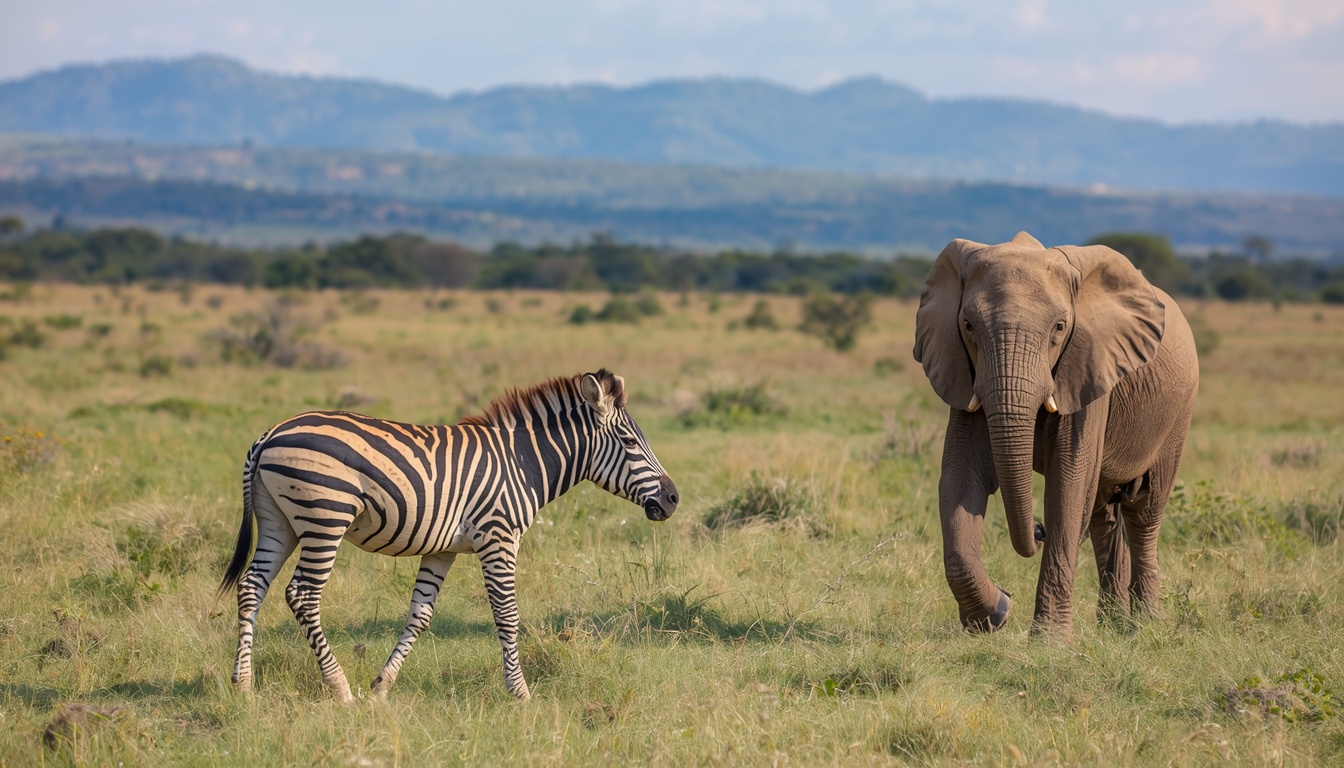
Tanzania is one of the best places in the world to see wild animals in their natural environment. Every year, the country becomes home to one of the greatest wildlife events on Earth — the movement of millions of animals across the Serengeti. This is known as the wildebeest migration Tanzania, and it is a breathtaking experience for travelers and nature lovers.
During this season, the land comes alive with movement, sound, and action as animals travel in search of fresh grass and water.
What Is the Wildebeest Migration in Tanzania?
The wildebeest migration is a natural journey where over 1.5 million wildebeests, along with zebras and gazelles, move across the Serengeti ecosystem. This movement is not random — it follows rainfall and fresh grazing areas.
In Tanzania, most of the migration takes place in:
- Serengeti National Park
- Ngorongoro Conservation Area (nearby regions)
This makes Tanzania one of the most important locations for the wildebeest migration Tanzania experience.
Best Time to See the Migration in Tanzania
The migration happens all year, but different months offer different experiences:
January to March
- Calving season in southern Serengeti
- Many baby wildebeests are born
- Strong predator activity
April to June
- Herds move through central and western Serengeti
- Green landscapes and fewer tourists
July to October
- Herds move toward northern Serengeti
- River crossings may happen in some areas
November to December
- Animals return south after short rains
Each season gives a different view of the migration.
Wildlife You Can See During Migration Season
The migration is not only about wildebeests. Many other animals are part of this natural cycle.
You may see:
- zebras
- gazelles
- elephants
- lions
- cheetahs
- hyenas
- crocodiles (near rivers)
Predators follow the herds, creating dramatic wildlife scenes that are unique to Tanzania.
Serengeti Ecosystem and Natural Beauty
The Serengeti is a wide and open landscape with grasslands, rivers, and small hills. During migration season, it becomes full of life.
Some of its natural features include:
- endless savannah plains
- seasonal rivers
- rocky outcrops called kopjes
- rich green grasslands after rains
This natural environment supports the entire wildebeest migration Tanzania cycle.
Predator Activity During the Migration
One of the most exciting parts of the migration is seeing predators in action.
Lions often hunt in open plains, while cheetahs chase fast-moving animals like gazelles. Near rivers, crocodiles wait for crossing herds.
This natural balance between predator and prey makes the migration a powerful wildlife experience.
Best Places in Tanzania to Watch the Migration
If you want to see the migration in Tanzania, these places are the best:
Serengeti National Park
- Main location for the migration
- Best for large herds and predator sightings
Northern Serengeti
- Famous for river crossings
- Fewer crowds compared to other areas
Southern Serengeti
- Best during calving season
- High chance to see newborn animals
Each area gives a different view of the wildebeest migration Tanzania.
Safari Tips for Visiting Tanzania
To enjoy your safari better, keep these simple tips in mind:
- Book your safari early during peak season
- Stay inside or near the Serengeti for better access
- Carry binoculars for distant viewing
- Wear light and comfortable clothes
- Be patient — wildlife movement is natural and unpredictable
A good guide can also help you find the best viewing spots.
Conclusion
Tanzania offers one of the most beautiful wildlife experiences in the world. The wildebeest migration Tanzania is a natural event that shows the true power and beauty of nature. From wide open plains to dramatic animal movement, every moment is special.
Whether you are a first-time traveler or a wildlife lover, seeing this migration in Tanzania is an unforgettable experience that brings you closer to nature.


Leave a Reply