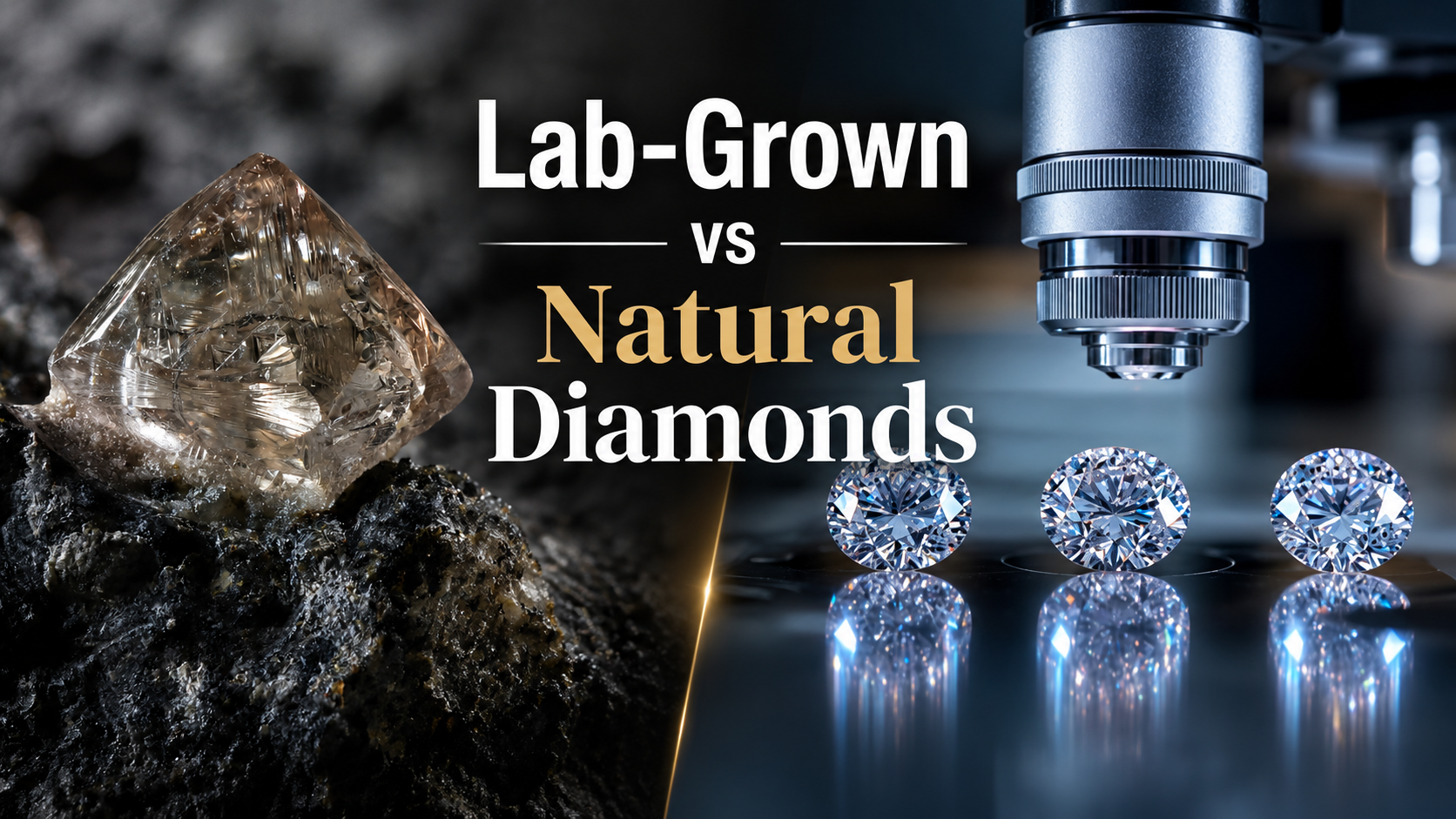
Lab-Grown Diamonds vs. Natural Diamonds in the USA
The diamond industry in the USA has changed significantly in recent years. Modern buyers no longer focus only on size and sparkle. Today, many shoppers also consider sustainability, pricing, ethics, and long-term value before purchasing fine jewelry. Because of this shift, the debate between lab-grown diamonds and natural diamonds has become more important than ever.
Both options offer beauty and brilliance, but they differ in origin, pricing, rarity, and environmental impact. Understanding these differences can help buyers make a smarter and more confident decision.
At KRK Jewels, customers often compare these two diamond options when shopping for engagement rings, wedding jewelry, and luxury fine jewelry collections.
What Are Natural Diamonds?
Natural diamonds form beneath the Earth’s surface over billions of years through intense heat and pressure. Mining companies extract these stones from the earth before expert cutters shape and polish them into finished diamonds.
Because of their natural formation process and rarity, many buyers consider natural diamonds timeless and valuable luxury items.
Advantages of Natural Diamonds
- Naturally formed over billions of years
- Rare and unique
- Traditional luxury appeal
- Strong emotional and heirloom value
- Better long-term resale potential
Natural diamonds remain a preferred choice for buyers who value rarity and tradition.
What Are Lab-Grown Diamonds?
Lab-grown diamonds are real diamonds created in controlled laboratory environments using advanced technology. Scientists replicate the natural diamond-growing process, producing diamonds with the same physical and chemical properties as mined stones.
These diamonds offer the same sparkle, hardness, and brilliance as natural diamonds.
Advantages of Lab-Grown Diamonds
- More affordable pricing
- Ethical sourcing
- Lower environmental impact
- Larger carat sizes within budget
- Excellent clarity and brilliance
Lab-grown diamonds have become especially popular among younger buyers in the USA who prioritize sustainability and value.
Understanding the 4Cs of Diamonds
When shopping for a diamond ring, understanding the 4Cs of diamonds is essential. The 4Cs — Cut, Color, Clarity, and Carat Weight — determine a diamond’s beauty, quality, and value. At KRK Jewels, we help buyers choose diamonds that perfectly balance brilliance and budget.
1. Cut – The Sparkle Factor
The cut is the most important factor because it affects how much a diamond sparkles. A well-cut diamond reflects light beautifully, creating maximum brilliance and fire. Popular cuts include round, oval, emerald, cushion, and pear shapes.
2. Color – The Whiteness of the Diamond
Diamond color is graded from D to Z.
- D-F: Colorless and highly valuable
- G-J: Near colorless with excellent value
- K-Z: Slight yellow or warm tones
Most buyers prefer near-colorless diamonds for engagement rings because they look bright and elegant.
3. Clarity – Natural Perfection
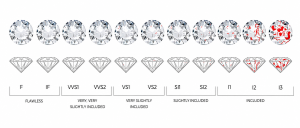
Clarity measures tiny internal marks called inclusions and external blemishes. Higher clarity diamonds appear cleaner and rarer. Common clarity grades include:
- FL (Flawless)
- VVS (Very Very Slightly Included)
- VS (Very Slightly Included)
- SI (Slightly Included)
At KRK Jewels, we recommend eye-clean diamonds that offer beauty without overspending.
4. Carat Weight – Diamond Size
Carat refers to the weight and size of the diamond. Larger diamonds are rarer and usually more expensive. Popular choices include:
- 1 Carat Diamond Rings
- 2 Carat Diamond Rings
- 3 Carat Engagement Rings
A well-cut diamond can appear larger and more brilliant even at a lower carat weight.
Why the 4Cs Matter
Understanding the 4Cs helps buyers make smarter decisions when purchasing engagement rings, wedding jewelry, or custom fine jewelry. KRK Jewels offers expertly crafted diamond rings with premium quality, exceptional sparkle, and timeless elegance for every style and budget.
Lab-Grown vs Natural Diamonds: Main Differences
Diamond Origin
The primary difference between the two lies in how they form.
Natural Diamonds
Created naturally beneath the Earth over billions of years.
Lab-Grown Diamonds
Produced in laboratories using advanced diamond-growing technology.
Although their origins differ, both stones are visually identical.
Price Comparison
Pricing remains one of the biggest reasons buyers choose lab-grown diamonds.
Natural Diamond Cost
Natural diamonds are more expensive because mining, rarity, and market demand increase their value.
Lab-Grown Diamond Cost
Lab-grown diamonds usually cost 40–70% less than natural diamonds with similar quality.
This allows buyers to:
- Purchase larger diamonds
- Choose higher clarity grades
- Upgrade ring settings
- Stay within budget
Many couples now prefer lab-grown diamonds for engagement rings because they maximize value without sacrificing beauty.
Appearance and Quality
Both diamond types share:
- The same sparkle
- The same hardness
- The same durability
- The same chemical composition
Without specialized gemological equipment, most people cannot tell the difference between lab-grown and natural diamonds.
Environmental Impact
Environmental concerns now influence many jewelry purchases.
Natural Diamond Mining
Mining operations may affect land, water, and ecosystems.
Lab-Grown Diamond Production
Lab-grown diamonds reduce the need for mining and often require fewer natural resources.
Because of this, environmentally conscious buyers often prefer lab-grown diamonds.
Which Diamond Is Better for Engagement Rings?
There is no single “better” option. The ideal choice depends on personal preferences, lifestyle, and budget.
Choose Natural Diamonds If You Want:
- Traditional luxury
- Geological rarity
- Strong resale value
- Family heirloom significance
Choose Lab-Grown Diamonds If You Want:
- Better affordability
- Sustainable jewelry
- Larger diamonds for less money
- Modern and ethical options
At KRK Jewels, both natural and lab-grown diamonds are available in elegant engagement rings and fine jewelry collections.
Popular Jewelry Styles for Lab-Grown Diamonds
Lab-grown diamonds now appear in many luxury jewelry designs, including:
- Solitaire engagement rings
- Hidden halo rings
- Toi et Moi rings
- Tennis bracelets
- Diamond necklaces
- Custom bridal jewelry
Because lab-grown diamonds cost less, buyers often select larger stones and more detailed settings.
Diamond Buying Tips for USA Shoppers
Focus on Diamond Cut
Cut quality affects sparkle more than carat weight. A well-cut diamond appears brighter and more beautiful.
Compare Certification
Always choose certified diamonds graded by trusted laboratories such as GIA or IGI.
Set a Realistic Budget
Knowing your budget early helps narrow your options and simplifies the buying process.
Choose Trusted Jewelers
Professional jewelers provide guidance on quality, customization, and long-term care.
KRK Jewels helps buyers find high-quality jewelry designed with craftsmanship, beauty, and lasting elegance.
Why Buyers Choose KRK Jewels
KRK Jewels specializes in fine jewelry crafted with precision, sophistication, and timeless design. From classic engagement rings to modern lab-grown diamond collections, every piece reflects exceptional quality and attention to detail.
The brand offers:
- Engagement rings
- Toi et Moi rings
- Diamond necklaces
- Tennis bracelets
- Bridal jewelry
- Custom diamond designs
Whether you prefer natural or lab-grown diamonds, KRK Jewels creates jewelry designed to celebrate meaningful moments beautifully.
FAQs
Are lab-grown diamonds real diamonds?
Yes. Lab-grown diamonds have the same physical, chemical, and optical properties as natural diamonds.
Why are lab-grown diamonds cheaper?
Lab-grown diamonds avoid mining costs and are easier to produce, making them more affordable.
Do lab-grown diamonds sparkle like natural diamonds?
Yes. Both types of diamonds offer identical brilliance and sparkle.
Which diamond is better for engagement rings?
Natural diamonds offer rarity and tradition, while lab-grown diamonds provide affordability and sustainability.
Are lab-grown diamonds popular in the USA?
Yes. Demand for lab-grown diamonds continues to grow because buyers value sustainability and lower pricing.


Leave a Reply