
Toothed belts are small but powerful components that keep machines running smoothly. They help transfer motion and power between shafts in engines, conveyors, and other systems. But like all machine parts, they don’t last forever. The good news is, with the right care and attention, you can extend their lifespan and avoid costly breakdowns.
Let’s uncover some simple yet smart ways to make your toothed belts last longer—and the secrets most people overlook.
Understanding Why Toothed Belts Wear Out
Every belt has a story, and that story is written in the way it wears out. Most toothed belts fail because of poor tension, misalignment, contamination, or extreme temperatures. Even the smallest crack or uneven tooth wear can be an early sign of trouble.
Here’s what usually shortens their life:
-
Improper installation – Over-tightening or loose fitting causes extra strain.
-
Dirt and oil contamination – Dust, oil, or grease can weaken the belt material.
-
Overloading – Running beyond the belt’s capacity causes tooth damage.
-
High heat or cold – Temperature extremes affect flexibility and strength.
By spotting these causes early, you can prevent a small issue from turning into a costly replacement.
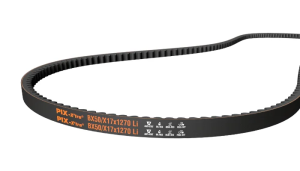
If you’re looking for high-quality toothed belts, Pix Transmission offers a wide range of durable and efficient solutions for different industrial uses. Contact them to explore options that match your requirements and keep your machines performing their best.
Simple Maintenance Habits That Make a Big Difference
Regular care can do wonders for your toothed belts. Think of it as giving your machine a quick health check every now and then.
Here are a few essential habits:
-
Inspect regularly: Look for cracks, frays, or missing teeth.
-
Clean gently: Use a soft cloth to remove dust and debris.
-
Check alignment: Misaligned pulleys cause uneven stress on the belt.
-
Adjust tension correctly: Not too tight, not too loose.
-
Keep surroundings clean: Avoid oil spills or chemical exposure near belts.
These simple steps don’t take long but can save you hours of downtime later.
Common Maintenance Tasks and Their Benefits
| Maintenance Task | Frequency | Main Benefit |
|---|---|---|
| Visual inspection | Weekly | Detects early wear and prevents sudden failure |
| Cleaning belt surface | Monthly | Keeps traction strong and reduces slippage |
| Checking alignment | Every 3 months | Prevents edge wear and tooth damage |
| Tension adjustment | As needed | Extends belt and pulley life |
| Lubrication of pulleys | Every 6 months | Reduces friction and noise |
The Hidden Enemies of Belt Longevity
Sometimes, the threats to your belt are not visible at first glance. Imagine running your machine perfectly, yet the belt still fails too soon. The culprit could be something subtle—tiny particles of dust, vibration, or even incorrect pulley design.
These hidden factors create micro-tears and surface fatigue that slowly eat away at the belt’s strength. Over time, it becomes less flexible, more brittle, and prone to slipping.
Warning Signs You Should Never Ignore
-
Squeaking or squealing noise
-
Visible fraying on the edges
-
Uneven wear pattern
-
A burnt smell from friction
-
Belt slipping off the pulleys
Catching these signs early is your best defense. It’s like listening to your machine’s whisper before it starts to shout.
Smart Ways to Extend Belt Life
To keep your toothed belts healthy and efficient, follow these smart and preventive steps:
-
Store properly: Keep belts in a cool, dry place away from sunlight.
-
Handle with care: Never twist or bend belts sharply during installation.
-
Use quality pulleys: Poor-quality pulleys can quickly ruin even the best belts.
-
Monitor performance: Notice any change in speed, sound, or tension.
Consistency is key. Even minor improvements in care can extend belt life by months or even years.
Ideal Operating Conditions for Maximum Belt Life
| Condition | Recommended Range | Effect on Belt Life |
|---|---|---|
| Ambient temperature | 10°C to 40°C | Maintains flexibility and durability |
| Humidity level | Below 60% | Prevents belt swelling or cracking |
| Load factor | Within rated capacity | Avoids excessive strain |
| Pulley alignment tolerance | ±0.5 mm | Reduces uneven wear |
| Belt tension | As per manufacturer’s spec | Ensures smooth motion transfer |
Final Thoughts: A Little Care Goes a Long Way
Toothed belts may seem simple, but they are the backbone of countless machines we rely on every day. By understanding their needs, performing regular checks, and addressing problems early, you can easily extend their lifespan and keep your operations running without interruptions.
Basic FAQ’S:
1. How often should I inspect toothed belts?
You should inspect toothed belts at least once a week for visual checks and more detailed inspections every few months. Regular checks help you spot cracks, fraying, or wear before they become serious problems.
2. What is the most common reason toothed belts fail?
The most common causes are improper tension, misalignment, and dirt buildup. When belts are too tight or too loose, they wear out faster. Dust and oil can also damage the belt surface over time.
3. Can temperature affect the lifespan of toothed belts?
Yes, temperature plays an important role. Very high heat or extreme cold can make belts hard, brittle, or less flexible. Keeping them in a stable environment helps extend their life.
4. What are the warning signs that a belt needs replacement?
Watch for signs like:
-
Cracks or missing teeth
-
Frayed edges
-
Squeaking sounds
-
Slipping during operation
-
A burnt smell
These signs mean the belt may need attention or replacement soon.
5. Does proper storage really make a difference?
Yes, it does. Storing belts in a cool, dry place away from direct sunlight prevents early damage. Good storage helps maintain flexibility and strength until installation.
For more insightful Article Read more on essayonfest.com
 neihu10